With all the horrors going on in the world today, it's interesting the things that 'break the internet.' I'm not fond of the phrase, 'breaking the internet,' like things going viral which, up to last week, was a BBC correspondent in Korea whose children decided to crash the interview. The social media sphere did its best to make this man and his family the most famous people in the world for a little while and as I watched various interviews with him and his family afterwards, the most difficult thing for them was the fact that most people believed that the woman who crashed into the room was his nanny and not his wife.
Racially sensitive, the internet is not.
As I turned on my computer last week expecting the typical regressive articles regarding ways to make the President of the United States look bad (some of which he does himself), I came across what I would say describes the thread that unites all of our current socialized media...
Negativity, or rampant shallowness.
I smacked my head when I read that what was 'breaking the internet' two mornings ago was a trailer for the movie 'Wonderwoman,' and the heartfelt disgust that the character of Wonderwoman, in the editing room, has had her armpits bleached.
Let me write that again: People were genuinely concerned that the moviemakers bleached her armpits so that any stubble might not be seen on the 'perfect' woman.
Objectification of women should not be trivialized, but for heaven's sake, the first female 'superhero' that Hollywood has come out with since Black Widow (is she a superhero?) is being torn to bits because of underarm hair? For heaven's sake...
Speaking of heaven's sake, negativity has a way of leeching into almost everything - it has from the beginning of time. Humans distrust God; humans distrust each other, and so they belittle and tear down because they believe at the same time it will prop them up. Have you ever been around toxically negative people? Do you ever stop to wonder how much life and energy is sucked out of you by being around them? Even though you want to care for them, and support them, there is no black hole in human relationships like negativity.
Take for instance, Nathanael, the disciple. I'm sure that he was not a constant source of negativity, well, to be honest, I'm not sure because there really isn't that much said about him, but his first words upon discovering Jesus, 'the one Moses wrote about in the Law, and about whom the prophets also wrote - Jesus of Nazareth, the son of Joseph,' (John 1:45b) were of negativity and disbelief.
"Nazareth! Can anything good come from there?"
It wouldn't be the last time Jesus' qualifications are questioned; simply by the town he lived in, negativity enters. He is the son of a carpenter? Please. He has brothers that everyone knows? I think we're barking up the wrong fig tree.
Philip is not put off, but wipes aside the negativity and the shallowness of the response. "Come and see!"
In a world that insistently tries to brush Jesus off, like dandruff from a dark blue shirt, we are called not to combat the negative claim but invite them to encounter the Savior firsthand. "Come and see!" We say with a smile knowing that there is something so incredibly, what's the word, vivid, about Jesus. Through all of his encounters and connections with people, he stands in stark contrast to the negative world positively charging it with altered understandings and expectations. Moses may have pointed them to the Law, but the fulfilment of that Law points them gracefully back to God. Immediately, he speaks positively about Nathanael; he combats the preconceived notions by encouraging him. "Here truly is an Israelite in whom there is no deceit!" (John 1:47)
Whether he was telling Nathanael that he was not lying in speaking about Nazareth that way, we don't know, but what Jesus revealed was that he already knew Nathanael immanently and intimately.
How do you come before Christ in your connection? Is it one of negativity? How do you respond to the negativity that surrounds Christianity? Do you begin to join the chorus of mockers in the call to crucify Christianity, or do you say to those who puff out their chests and say, 'We have moved past religion,'
Come and see!
Not come and read, or come and think, come and pretend... Come and see the risen Christ in the body of believers who are not a collection of perfection, but a rabble of sinners claimed by the one who sees us standing still under the shade of our own personal fig trees. Come and see!
Thursday, March 23, 2017

Monday, March 6, 2017
Pointing the Other Way
As painful as it is, I have to confess...
I watched a recap of the Academy Awards ceremony. Guiltily, I watched celebrity after celebrity hear their names called, pretend to be surprised, look shocked and hug the persons near them who were basking in the limelight for a few seconds and then ascend the stairs to the platform of their own self worship.
I don't know why I watched. If there is anything in the world that I loathe it is groups of people on the 'inside' self congratulating and patting themselves on the back, smiling beautifully and smugly into the camera while some of the world marvels at what they call their 'craft.'
Let's put an honest face on it: these multimillionaires are paid to look beautiful, recite a few lines which they have the opportunity to redo and retake for as many times as needed, and then walk the red carpet to sit together at the beginning of every year to watch their fellow 'crafters' use the stage as their platform to either make fun of the current presidency, or to stroke their own egos.
And yet I watch. Odd, isn't it?
I wish I was paid to look beautiful, could have as many retakes as I needed with my job, receive congratulations and adoration every year and then receive my thirty-eight million dollar paycheck in the mail.
Who am I kidding, though. I'm not particularly beautiful by Hollywood's standards. I don't get retakes and being a celebrity is not all it's cracked up to be. There are all sorts of negatives with the kind of popularity that goes with being a great actor or actress:
You're never alone.
It's almost endemic to the community, but divorce is almost assured.
Although the money can buy things, it can't buy peace and it certainly does not buy happiness.
To be a celebrity means one lives one of the fakest lives available.
And strangely, as they mount the steps, as much as I admire their ability to capture an audience's interest, I feel sorry for them.
Does it really pay to be a celebrity?
Now this was John's testimony when the Jewish leaders in Jerusalem sent priests and Levites to ask him who he was. He did not fail to confess, but confessed freely, 'I am not the Messiah.'
I watched a recap of the Academy Awards ceremony. Guiltily, I watched celebrity after celebrity hear their names called, pretend to be surprised, look shocked and hug the persons near them who were basking in the limelight for a few seconds and then ascend the stairs to the platform of their own self worship.
I don't know why I watched. If there is anything in the world that I loathe it is groups of people on the 'inside' self congratulating and patting themselves on the back, smiling beautifully and smugly into the camera while some of the world marvels at what they call their 'craft.'
Let's put an honest face on it: these multimillionaires are paid to look beautiful, recite a few lines which they have the opportunity to redo and retake for as many times as needed, and then walk the red carpet to sit together at the beginning of every year to watch their fellow 'crafters' use the stage as their platform to either make fun of the current presidency, or to stroke their own egos.
And yet I watch. Odd, isn't it?
I wish I was paid to look beautiful, could have as many retakes as I needed with my job, receive congratulations and adoration every year and then receive my thirty-eight million dollar paycheck in the mail.
Who am I kidding, though. I'm not particularly beautiful by Hollywood's standards. I don't get retakes and being a celebrity is not all it's cracked up to be. There are all sorts of negatives with the kind of popularity that goes with being a great actor or actress:
You're never alone.
It's almost endemic to the community, but divorce is almost assured.
Although the money can buy things, it can't buy peace and it certainly does not buy happiness.
To be a celebrity means one lives one of the fakest lives available.
And strangely, as they mount the steps, as much as I admire their ability to capture an audience's interest, I feel sorry for them.
Does it really pay to be a celebrity?
Now this was John's testimony when the Jewish leaders in Jerusalem sent priests and Levites to ask him who he was. He did not fail to confess, but confessed freely, 'I am not the Messiah.'
John 1:19,20
Here was John's opportunity to be the greatest at his craft. Because of his celebrity status, people were flocking from Jerusalem to see if he was the Messiah - the one who would save them all. Imagine how much more popular John would be, how many likes he would have, how many hits his cavesite would get...
After the leaders pressed him, "Who are you? Give us an answer to take back to those who sent us. What do you say about yourself?' John recognizes two things about himself - maybe he's been thinking about them awhile, or maybe the Spirit is speaking through him:
1. He is a spokesperson - one who speaks in a desolate place to people who are desperate for any kind of connection with God. His voice not only prepares the way for the Lord, but it guides the people to him.
2. He knows his place in perspective. Illusions (or delusions) of grandeur have no place and carry no value for him. The one who is coming is so great that John, even though he has a legion of people streaming out to meet him in the desert, cannot even touch Jesus' feet.
In essence, with all his force, John points the leaders in another direction. He is connecting them with someone who is already in their midst. Not a celebrity, but a Savior.
Who are the people in your life who, in great humility, point away from themselves toward the Savior?
Who are the 'celebrities' in your life who consistently speak the truth and straighten the paths for others?
The hardest question: "What do you say about yourself? Who are you in the kingdom?"
Monday, February 20, 2017
The Connection
A comedian once said, "I really like the saying, 'Before you judge someone, walk a mile in their shoes.' Well, not only do I get to judge them, but I've got their shoes and a mile head start."
I wonder what thoughts were coursing through God's mind as the plan for the incarnation came into effect. Throughout the centuries, time after time God's people continued the endless cycle of idolatry, sin, punishment, repentance and forgiveness, God continued to give second and third and fiftieth chances, but it never seemed to entirely take hold. The connection between deity and human was so difficult because although humans could see the power of God in the heavens, on the mountains and even through the seas, it felt as if they were always saying, 'Well, God, it's easy for you because you can do anything. You don't really know what it's like to suffer. You don't know what it's like to feel doubt or pain or abandonment. You don't really know what it's like because you haven't walked in our shoes.'
Which was the last straw that broke the camel's back? Was it the grumblings of the slaves in the desert? Was it the Israelites rejection of both judges and God to have a king like the other nations? Was it those same kings who drew their people into revolting patterns of idolatry and sinfulness, doubting the living God for ones made of stone, metal and wood?
My guess is that it was not a last straw. It was the first straw, or the first piece of wood, perhaps, from the Garden of Eden. When the Deceiver placed the idea into the center of the mind of humanity, that God was unnecessary, or worse yet, greedy, the entire course of history needed to be emended.
In the beginning was the Word, and the Word was with God and the Word was God. He was with God in the beginning.
I would presume the greatest connection that we have is with the word that comes from our mouth. What issues forth from our lips, even Jesus proclaims, is what comes from our hearts, and what comes from our hearts is as inseparable from us as the DNA from our cells. Of course you can tell almost everything about a person from their words and what issues forth from God's mouth, the Word - is creation, life and light. These three things are the central connection of the Trinity when God spoke His Word that took on flesh. Literally, God's breath began to walk another mile in our shoes. It was God who established that connection; It was God who made the first move. It was God who responded to the cry of his people, and in that hearing, God established a connection that could not be broken.
When we speak to others, especially in the name of Christ, we remember that in our baptism, we have been drowned in the Word and it is no longer we who live, but the Word which lives in us. How we speak can have immense implications on our connection to others.
Ponder God's connection in Trinity and how it pierces your own idea of connection.
I wonder what thoughts were coursing through God's mind as the plan for the incarnation came into effect. Throughout the centuries, time after time God's people continued the endless cycle of idolatry, sin, punishment, repentance and forgiveness, God continued to give second and third and fiftieth chances, but it never seemed to entirely take hold. The connection between deity and human was so difficult because although humans could see the power of God in the heavens, on the mountains and even through the seas, it felt as if they were always saying, 'Well, God, it's easy for you because you can do anything. You don't really know what it's like to suffer. You don't know what it's like to feel doubt or pain or abandonment. You don't really know what it's like because you haven't walked in our shoes.'
Which was the last straw that broke the camel's back? Was it the grumblings of the slaves in the desert? Was it the Israelites rejection of both judges and God to have a king like the other nations? Was it those same kings who drew their people into revolting patterns of idolatry and sinfulness, doubting the living God for ones made of stone, metal and wood?
My guess is that it was not a last straw. It was the first straw, or the first piece of wood, perhaps, from the Garden of Eden. When the Deceiver placed the idea into the center of the mind of humanity, that God was unnecessary, or worse yet, greedy, the entire course of history needed to be emended.
In the beginning was the Word, and the Word was with God and the Word was God. He was with God in the beginning.
I would presume the greatest connection that we have is with the word that comes from our mouth. What issues forth from our lips, even Jesus proclaims, is what comes from our hearts, and what comes from our hearts is as inseparable from us as the DNA from our cells. Of course you can tell almost everything about a person from their words and what issues forth from God's mouth, the Word - is creation, life and light. These three things are the central connection of the Trinity when God spoke His Word that took on flesh. Literally, God's breath began to walk another mile in our shoes. It was God who established that connection; It was God who made the first move. It was God who responded to the cry of his people, and in that hearing, God established a connection that could not be broken.
When we speak to others, especially in the name of Christ, we remember that in our baptism, we have been drowned in the Word and it is no longer we who live, but the Word which lives in us. How we speak can have immense implications on our connection to others.
Ponder God's connection in Trinity and how it pierces your own idea of connection.
Sunday, February 19, 2017
Can You Hear Me Now?
Sometimes I like to let my mind flashback to the things of the past. I'm sure all of us have objects that bring back memories, or memories that objectify a time which seems to be turning more golden each and every year we breathe. Just recently, in various daydreams, I've thought about Matchbox cars, little green army men, that electronic football game where the players vibrate all over the board and of course, Tinker Toys.
Then, just yesterday at church as I was watching the Power Point screens pass in front of my eyes, I started giggling because it reminded me of Bible Camp in the '80's and there was always that one person standing, or should I say kneeling, at the front frantically trying to keep up with the songs by changing the plastic see-through sheets for the overhead projector. Remember when we had to do that for ministry or teaching in school? Desperately trying to figure out which way the words were supposed to go, flipping them upside down or back and forth until you got them right? What a way to communicate, right?
So, now that we live in a digital age where a phone - or should I say a computer, which fits into your pocket, not only can take the place of a wall mounted phone, a calculator, a walk-man (I'm dating myself again, but I'm revelling in it like a dog in the mud) and flashlight - but can communicate in so many different ways than I never could have dreamed when I was growing up: shouldn't communication be so much easier? Shouldn't communication just be second nature now that we can see everything?
One of the things that I truly enjoy about Jesus' understanding of his ministry was his ability to stick pins in the consciousness and consciences of the people who were nearby. When he was trying to communicate with people, he tended to use the words "The one who has ears, let them hear." He didn't say, "The one who has eyes, watch this!" Although Jesus did do very visible miracles which communicated the love of God in all sorts of ways, it was his words that changed people's lives.
Hope is conceived not in the eyes but through the ears. Faith gives birth to life through this hope in Jesus and unless we can hear again the message of Christ, of repentance, forgiveness and life eternal, we are sentenced to a life of sight without seeing, and lukewarm faith without belief.
In this new age of communication, I decided that I would take a lap around the Gospel of John and see how both he and Jesus communicated and I think I've found the focal point, or the hub, of everything that they were trying to do:
They were making connections.
When they made connections, new life was found. Jesus connected people to God ('For God so loved the world...) Jesus connected people to people (It is the Father living in me who is doing his work. Believe me when I say that I am in the Father and the Father is in me; or at least believe on the evidence of the works themselves (sight!). Very truly I tell you, whoever believes in me will do the works that I have been doing, and they will do even greater things that these, because I am going to the Father!) Jesus connected people on the inside to people on the outside (- to the Samaritan woman - "Whoever drinks the water I give them will never thirst!)
So, for the next few weeks, read with me, come with new ears, find the connection that Christ brings us to, not just a Spiritual connection, but a living, breathing human connection with those around us. Find the questions to ask others; find the questions to ask God and ourselves. Find your ears.
With each segment of John, I'll be asking these questions:
What is the connection which is being made?
How is it weak or strong?
What is God's response in connection with the event?
What does the Word have to say about it?
How can I communicate this connection to others?
There may be other things that come up, but this is a good template to start, I think. If you have any reflections, send them on to me.
Then, just yesterday at church as I was watching the Power Point screens pass in front of my eyes, I started giggling because it reminded me of Bible Camp in the '80's and there was always that one person standing, or should I say kneeling, at the front frantically trying to keep up with the songs by changing the plastic see-through sheets for the overhead projector. Remember when we had to do that for ministry or teaching in school? Desperately trying to figure out which way the words were supposed to go, flipping them upside down or back and forth until you got them right? What a way to communicate, right?
So, now that we live in a digital age where a phone - or should I say a computer, which fits into your pocket, not only can take the place of a wall mounted phone, a calculator, a walk-man (I'm dating myself again, but I'm revelling in it like a dog in the mud) and flashlight - but can communicate in so many different ways than I never could have dreamed when I was growing up: shouldn't communication be so much easier? Shouldn't communication just be second nature now that we can see everything?
One of the things that I truly enjoy about Jesus' understanding of his ministry was his ability to stick pins in the consciousness and consciences of the people who were nearby. When he was trying to communicate with people, he tended to use the words "The one who has ears, let them hear." He didn't say, "The one who has eyes, watch this!" Although Jesus did do very visible miracles which communicated the love of God in all sorts of ways, it was his words that changed people's lives.
Hope is conceived not in the eyes but through the ears. Faith gives birth to life through this hope in Jesus and unless we can hear again the message of Christ, of repentance, forgiveness and life eternal, we are sentenced to a life of sight without seeing, and lukewarm faith without belief.
In this new age of communication, I decided that I would take a lap around the Gospel of John and see how both he and Jesus communicated and I think I've found the focal point, or the hub, of everything that they were trying to do:
They were making connections.
When they made connections, new life was found. Jesus connected people to God ('For God so loved the world...) Jesus connected people to people (It is the Father living in me who is doing his work. Believe me when I say that I am in the Father and the Father is in me; or at least believe on the evidence of the works themselves (sight!). Very truly I tell you, whoever believes in me will do the works that I have been doing, and they will do even greater things that these, because I am going to the Father!) Jesus connected people on the inside to people on the outside (- to the Samaritan woman - "Whoever drinks the water I give them will never thirst!)
So, for the next few weeks, read with me, come with new ears, find the connection that Christ brings us to, not just a Spiritual connection, but a living, breathing human connection with those around us. Find the questions to ask others; find the questions to ask God and ourselves. Find your ears.
With each segment of John, I'll be asking these questions:
What is the connection which is being made?
How is it weak or strong?
What is God's response in connection with the event?
What does the Word have to say about it?
How can I communicate this connection to others?
There may be other things that come up, but this is a good template to start, I think. If you have any reflections, send them on to me.
Thursday, February 16, 2017
Between the Pincers
I went fishing with Santa Klaus on Wednesday.
During my first week at Good Shepherd, Verne made his way up to me and stuck out his hand. I shook it and enjoyed the eerie visage that greeted me. Verne peered at me behind bifocaled spectacles that made his eyes look bigger than they really were, and as he spoke, the hairs of his moustache blew out in little puffs, like cotton balls being tossed in a light, spring breeze, and his beard hung raggedly white on the chest of his shirt.
"Do you like to fish?" he said, his voice gravelly but mirthful.
I stared up at him, to the top of his head which looked like the snow encrusted peak, El Capitan, in Yosemite National Park. Verne is about six feet four inches tall and I would have guessed from his appearance that he would more likely fit in by handing out presents with elves than holding a fishing rod.
"Do I like to fish?" I repeated as if this was the silliest question in the world. "Don't all disciples like to fish?" Weird Christian jokes fail sometimes and I think Verne was already wanting to rescind the question.
"I'll take that as a 'yes'." He was still smiling, which was a good sign. "How about we go out fishing on Wednesday and I'll show you how to catch blueys, which is the local lingo for blue crabs."
I rolled out of bed at five a.m. after a restless night's sleep. Because I was excited to get out on the ocean for the first time, I woke up before my alarm, dressed in my fishing clothes, grabbed my hat, a few morsels for lunch and headed out the door. Surprisingly, there were quite a few people on the road at 5:30 a.m., but I made it to Verne's house in fifteen minutes where he was already outside his house waiting for me. As I approached and his form filled the headlights, I noticed he was looking at his watch. He looked like St. Nicholas stamping his foot for the last of the toys to be loaded into the sleigh.
I got into his pickup truck and we started off down the road. After a little small talk, he told me about some of his fishing adventures and what made him tick.
"So, you see," he started, his voice echoing above the classical music station in the background, which surprised me also (I expected Waylon Jennings or Johnny Cash), "I don't wear my teeth when I go fishing anymore. One time I went, I got sea sick, and I burleyed the water (which means 'chumming' where I come from) and my choppers ended up with some shark, I'm sure." In other words, he puked his teeth out. I bet that was an amazing visual experience for the other fishermen in the boat?
"Wait, so you get sea sick?"
"Yup," he responded proudly, "But I take the tablets and I wear a little wrist thing." I thought this was one of those jokes Australians play on me sometimes, that I would believe a little wrist band would miraculously cure seasickness, but he swore by it. "I don't know how it does it, but this little band does something to steady me." I was doubtful - I think most doctors would call them 'placebos.' I wish I would have had one of those on the trip out onto the reef.
"And, here's the other funny thing - I'm allergic to shellfish. Can't eat them. Make me sick. Allergies and things." I looked over at him to see if he was serious, but his eyes were staring straight ahead into the road. I had to formulate my thoughts:
I'm going fishing with a shellfish intolerant, toothless, seasick fisherman. This is so AWESOME!
"What do you do with the blue crabs when you catch them?" I asked.
"I give them away. They're worth about $35 per kilogram. There are always people who are willing to take them and eat them. Giving them away makes me very happy."
Fantastic.
The sun burned the sky a crimson blood red on the way out to the crabbing grounds. As the boat skimmed the surface, I watched out over the back and the heavens looked like a lava lamp bubbling and roiling and changing colors. It was spectacular. After half an hour of motoring across the relatively calm surface of the salt water, Verne pulled up over a place that his GPS tracking brought him too. Telling me that he'd always caught blue crabs there, we then proceeded to take three crab nets each, stuff a dead fish into a little mesh pouch, clip it down and chuck it overboard. As the sun was still coming up and over the Adelaide hills in the east, Verne sat on the edge of the starboard side(right side - it sounds like I'm a real sea salt, but I had to look it up) silhouetted. Imagine Santa casting his toys over the edge of the sleigh into chimneys far and wide. He explained to me that the crabs, as they were scavengers, would crawl over the net and attempt to pick apart the dead fish in the mesh at the bottom. After waiting a certain amount of time, we were supposed to pull up sharply on the rope connecting the crab net to the boat and then haul it up as fast as possible. Verne said that you can usually tell by the weight if, or how many, crabs were in the net on the way up. Invariably, he was right.
After a few minutes, he pulled his net up and sure enough, the brilliant blue crustacean with eight inch legs and two inch claws was in the middle of the net. I think Verne was trying to impress me, but he grabbed the crab by the pincers and threw it into the ubiquitous white bucket that once held some kind of industrial putty but now held seafood.
"I wouldn't recommend you doing that on your first go," he said. I wasn't sure if it was wisdom or a dare.
"We'll see what happens," I responded intent on showing Jolly Old St. Verne that I wasn't just some Midwestern Yankee who couldn't handle his fishing.
Within minutes I was hauling up a net. Nothing. Then two more. Nothing. Meanwhile, Father Christmas was pulling in blue Yuletide gifts up and over the side peeking over his glasses to see if I was watching.
"Maybe that side of the boat was better?" Certainly it wasn't me, the inexperienced crabberman. Verne shrugged.
Finally, though, I pulled up one of the nets and sure enough, there was a nice big, blue crab hanging on for dear life as he was pulled from his aquatic home. And, there was another one on the bottom. "Hey! I've got two!" Unfortunately, I only got one in the boat which I anticlimactically dumped into the bucket rather than risking my fingers between the pincers.
"The most I've ever got in one net was five," Verne said as he chucked two more into the bucket.
Why is fishing such a competitive sport? Why did I feel as if I have to avenge my honor with Father Christmas? Just enduring questions that may never be answered.
We caught our forty crabs, one squid a few whiting and trumpet fish which Santa called 'shitties' (and one small shark which tangled all of the lines. Santa wasn't happy about that one.) and then headed back in to shore where on the way, a dolphin was practicing for the show, leaping high into the air. Spectacular fifteen feet into the air, the jumps took my breath away. Just seeing that was worth the trip out.
It was a good day, and as we journeyed back in off the great briny sea, I recognized a true sense of contentment in Verne's eyes. He was happy to be sharing his boat, but especially his time, with someone new. It was a great gift that he gave me.
And that was what I was to find out about Verne. He is one of the kindest, most giving people I've met in a while. Even after we finished our crabbing experience, he brought me back to his house, gave me a tour of his garden from which he produced some beautiful zucchinis and then a shoot of basil, volunteered to clean the squid and whiting that we caught and then smiled all the way as I drove off.
He truly is Santa Klaus.
Or should I say, Santa Claws.
Ouch. Sorry, I couldn't help that one.
During my first week at Good Shepherd, Verne made his way up to me and stuck out his hand. I shook it and enjoyed the eerie visage that greeted me. Verne peered at me behind bifocaled spectacles that made his eyes look bigger than they really were, and as he spoke, the hairs of his moustache blew out in little puffs, like cotton balls being tossed in a light, spring breeze, and his beard hung raggedly white on the chest of his shirt.
"Do you like to fish?" he said, his voice gravelly but mirthful.
I stared up at him, to the top of his head which looked like the snow encrusted peak, El Capitan, in Yosemite National Park. Verne is about six feet four inches tall and I would have guessed from his appearance that he would more likely fit in by handing out presents with elves than holding a fishing rod.
"Do I like to fish?" I repeated as if this was the silliest question in the world. "Don't all disciples like to fish?" Weird Christian jokes fail sometimes and I think Verne was already wanting to rescind the question.
"I'll take that as a 'yes'." He was still smiling, which was a good sign. "How about we go out fishing on Wednesday and I'll show you how to catch blueys, which is the local lingo for blue crabs."
I rolled out of bed at five a.m. after a restless night's sleep. Because I was excited to get out on the ocean for the first time, I woke up before my alarm, dressed in my fishing clothes, grabbed my hat, a few morsels for lunch and headed out the door. Surprisingly, there were quite a few people on the road at 5:30 a.m., but I made it to Verne's house in fifteen minutes where he was already outside his house waiting for me. As I approached and his form filled the headlights, I noticed he was looking at his watch. He looked like St. Nicholas stamping his foot for the last of the toys to be loaded into the sleigh.
I got into his pickup truck and we started off down the road. After a little small talk, he told me about some of his fishing adventures and what made him tick.
"So, you see," he started, his voice echoing above the classical music station in the background, which surprised me also (I expected Waylon Jennings or Johnny Cash), "I don't wear my teeth when I go fishing anymore. One time I went, I got sea sick, and I burleyed the water (which means 'chumming' where I come from) and my choppers ended up with some shark, I'm sure." In other words, he puked his teeth out. I bet that was an amazing visual experience for the other fishermen in the boat?
"Wait, so you get sea sick?"
"Yup," he responded proudly, "But I take the tablets and I wear a little wrist thing." I thought this was one of those jokes Australians play on me sometimes, that I would believe a little wrist band would miraculously cure seasickness, but he swore by it. "I don't know how it does it, but this little band does something to steady me." I was doubtful - I think most doctors would call them 'placebos.' I wish I would have had one of those on the trip out onto the reef.
"And, here's the other funny thing - I'm allergic to shellfish. Can't eat them. Make me sick. Allergies and things." I looked over at him to see if he was serious, but his eyes were staring straight ahead into the road. I had to formulate my thoughts:
I'm going fishing with a shellfish intolerant, toothless, seasick fisherman. This is so AWESOME!
"What do you do with the blue crabs when you catch them?" I asked.
"I give them away. They're worth about $35 per kilogram. There are always people who are willing to take them and eat them. Giving them away makes me very happy."
Fantastic.
The sun burned the sky a crimson blood red on the way out to the crabbing grounds. As the boat skimmed the surface, I watched out over the back and the heavens looked like a lava lamp bubbling and roiling and changing colors. It was spectacular. After half an hour of motoring across the relatively calm surface of the salt water, Verne pulled up over a place that his GPS tracking brought him too. Telling me that he'd always caught blue crabs there, we then proceeded to take three crab nets each, stuff a dead fish into a little mesh pouch, clip it down and chuck it overboard. As the sun was still coming up and over the Adelaide hills in the east, Verne sat on the edge of the starboard side(right side - it sounds like I'm a real sea salt, but I had to look it up) silhouetted. Imagine Santa casting his toys over the edge of the sleigh into chimneys far and wide. He explained to me that the crabs, as they were scavengers, would crawl over the net and attempt to pick apart the dead fish in the mesh at the bottom. After waiting a certain amount of time, we were supposed to pull up sharply on the rope connecting the crab net to the boat and then haul it up as fast as possible. Verne said that you can usually tell by the weight if, or how many, crabs were in the net on the way up. Invariably, he was right.
After a few minutes, he pulled his net up and sure enough, the brilliant blue crustacean with eight inch legs and two inch claws was in the middle of the net. I think Verne was trying to impress me, but he grabbed the crab by the pincers and threw it into the ubiquitous white bucket that once held some kind of industrial putty but now held seafood.
"I wouldn't recommend you doing that on your first go," he said. I wasn't sure if it was wisdom or a dare.
"We'll see what happens," I responded intent on showing Jolly Old St. Verne that I wasn't just some Midwestern Yankee who couldn't handle his fishing.
Within minutes I was hauling up a net. Nothing. Then two more. Nothing. Meanwhile, Father Christmas was pulling in blue Yuletide gifts up and over the side peeking over his glasses to see if I was watching.
"Maybe that side of the boat was better?" Certainly it wasn't me, the inexperienced crabberman. Verne shrugged.
Finally, though, I pulled up one of the nets and sure enough, there was a nice big, blue crab hanging on for dear life as he was pulled from his aquatic home. And, there was another one on the bottom. "Hey! I've got two!" Unfortunately, I only got one in the boat which I anticlimactically dumped into the bucket rather than risking my fingers between the pincers.
"The most I've ever got in one net was five," Verne said as he chucked two more into the bucket.
Why is fishing such a competitive sport? Why did I feel as if I have to avenge my honor with Father Christmas? Just enduring questions that may never be answered.
We caught our forty crabs, one squid a few whiting and trumpet fish which Santa called 'shitties' (and one small shark which tangled all of the lines. Santa wasn't happy about that one.) and then headed back in to shore where on the way, a dolphin was practicing for the show, leaping high into the air. Spectacular fifteen feet into the air, the jumps took my breath away. Just seeing that was worth the trip out.
It was a good day, and as we journeyed back in off the great briny sea, I recognized a true sense of contentment in Verne's eyes. He was happy to be sharing his boat, but especially his time, with someone new. It was a great gift that he gave me.
And that was what I was to find out about Verne. He is one of the kindest, most giving people I've met in a while. Even after we finished our crabbing experience, he brought me back to his house, gave me a tour of his garden from which he produced some beautiful zucchinis and then a shoot of basil, volunteered to clean the squid and whiting that we caught and then smiled all the way as I drove off.
He truly is Santa Klaus.
Or should I say, Santa Claws.
Ouch. Sorry, I couldn't help that one.
Monday, January 30, 2017
Moving
To me, moving is not really that painful.
Sure, there are different stresses and difficulties that come having boxes packed, strips of tape riiiiping and echoing in the hallways of the house which will soon become your ex-house. And as you are looking at your new house on the internet, dreaming of all the memories that have yet been made, you almost feel guilty...
Honestly, the excitement of a new adventure someone cancels out the anxiousness of moving, but as I ponder what's happened in the last couple of weeks, I realized something profound (or at least deeper than normal)...
It's not the moving that's painful - it's the leaving.
Moving is part of life. Once movement stops, or even the presence of stagnation, I start to get slower, sedentary and maybe even a little obese in the way that I approach life. All things need to move - that's why God gave us legs.
But, the leaving part. Ugh.
Our last nights in Queensland for a while were spent with Christine's parents. Because we are citizens of countries on opposite sides of the planet, we have grown accustomed to living apart from parents, but that doesn't necessarily mean we like it.
I suppose the departure from parents is biblical - in Genesis we are told that we are to leave our parents and cleave (cling) to our spouses, but that departure process is like a riiiiiiping sound echoing in the collective married soul, and even though there is excitement in the moving, the leaving is difficult.
Abram's father, Terah, lived to a ripe old age of two hundred and five years. I don't know if you continue getting riper the older you get, but Terah must have been very mature. When Terah was well into his older years, he took his entire family, Abram and Sarai - yet childless - included. They left from their home in Ur to go to Canaan. In Genesis, we are not given the reason for Terah's departure; better land, adventure, new life, didn't get along with his 185 year old sister - who knows - but they settled in Haran until he died.
But his son, Abram, moved because of something different - a word, a promise (better yet) whispered on the wind to a childless septuagenarian and his barren wife, Sarai. Genesis 12:2,3
Sure, there are different stresses and difficulties that come having boxes packed, strips of tape riiiiping and echoing in the hallways of the house which will soon become your ex-house. And as you are looking at your new house on the internet, dreaming of all the memories that have yet been made, you almost feel guilty...
Honestly, the excitement of a new adventure someone cancels out the anxiousness of moving, but as I ponder what's happened in the last couple of weeks, I realized something profound (or at least deeper than normal)...
It's not the moving that's painful - it's the leaving.
Moving is part of life. Once movement stops, or even the presence of stagnation, I start to get slower, sedentary and maybe even a little obese in the way that I approach life. All things need to move - that's why God gave us legs.
But, the leaving part. Ugh.
Our last nights in Queensland for a while were spent with Christine's parents. Because we are citizens of countries on opposite sides of the planet, we have grown accustomed to living apart from parents, but that doesn't necessarily mean we like it.
I suppose the departure from parents is biblical - in Genesis we are told that we are to leave our parents and cleave (cling) to our spouses, but that departure process is like a riiiiiiping sound echoing in the collective married soul, and even though there is excitement in the moving, the leaving is difficult.
Abram's father, Terah, lived to a ripe old age of two hundred and five years. I don't know if you continue getting riper the older you get, but Terah must have been very mature. When Terah was well into his older years, he took his entire family, Abram and Sarai - yet childless - included. They left from their home in Ur to go to Canaan. In Genesis, we are not given the reason for Terah's departure; better land, adventure, new life, didn't get along with his 185 year old sister - who knows - but they settled in Haran until he died.
But his son, Abram, moved because of something different - a word, a promise (better yet) whispered on the wind to a childless septuagenarian and his barren wife, Sarai. Genesis 12:2,3
I will make you into a great nation,
and I will bless you;
I will make your name great,
and you will be a blessing.
I will bless those who bless you,
and whoever curses you, I will curse;
and all people on earth
will be blessed through you.
In contemporary society, most people would attempt to dissuade Abram from moving; they would tell him it was just his conscience speaking. That little voice you heard in your head - ignore it. There is no such thing as God; just a fairy tale, a false hope to get people through life. Just embrace the fact that ultimately we are all alone and we will all eventually sink into the great darkness.
How easy, and rational, it would have been for Abram to simply stay where he was in the land that his father had settled, meet up with the relatives after synagogue on Sundays, play a little Middle Eastern cricket on Saturday afternoons, live out his next one hundred years in relative stagnation and ignore that niggling whispered promise.
But the next words in the scripture, verse 4, So, Abram went, as the LORD had told him...
He was seventy-five years old.
Conditions aren't always perfect for moving.
But moving does not always mean transporting yourself to another country, or another town or even across the street. Moving can simply mean taking a step in another direction from where you thought you were supposed to go. For Abram, perhaps he had already envisioned a future, living out the remaining one hundred plus years of his life, childless, but still in love; and then at the point when you least expect it, that whispering promise on the wind.
Go from your country, your people and your father's household to the land I will show you. Go from the place you were planted, an be re-planted in a different dream I have for you (so paraphrased.) And in the promise of God, that movement and leaving, painful as it is, will rejuvenate your life and bring new dreams and you will be blessed and be a blessing.
God bless you on your moving today!
Saturday, September 3, 2016
Rats
John Calhoun was not the first to wonder about the detriments of population density problems or overcrowding, but he did design a creative experiment which used rats to demonstrate what happens when animals do not have a healthy balance of space and community.
In 1964 (my information is based on a few websites including the thoughts of Dr. Edmund Ramsden from nihrecord.nih.gov) Calhoun created an eleven by fourteen foot cage divided into four rooms linked with ramps and set up to give between 32 and 56 rats freedom to roam between the rooms. The rats were given all the food and water they wanted, but they were denied any extra space. It didn't take very long for an alpha male and nine females to take control of two rooms leaving the other two rooms for the dozens of rats left over.
What ensued was fascinating and Calhoun observed these things as the colony of rats began to grow:
1. "(There was) violence and aggression with rats in the crowded pen 'going berserk, attacking females, juveniles and less active males.'"
2. "There was also 'sexual deviance.' Male rats became hypersexual pursuing females which weren't even in heat."
3. "There was a breakdown in maternal behavior. Mothers stopped caring for their young, ceased building a nest and even attacked their young."
4. "Even when populations dropped, and more space became available, the community never recovered."
Calhoun's research has been used many times over in popular culture, including the 1982 animated picture The Secret of NIHM, but we can extrapolate a few issues that occur in a contemporary culture that has moved increasingly urban, but moreso, in my opinion, global. We see the aggression in our young people, not just the males, but females also. It's portrayed in every aspect of our 'entertainment.' Violence, aggression, young males attacking females, juveniles and less active males. Sexual deviance is rampant: pornography (not a new thing) has infiltrated every part of visual sight; sex used to be a very private, intimate event, now it seems to be the most public of things. Hypersexual males pursuing females through requests for nude pictures, sexting, etc... Mothers and fathers, have, in some cases, ceased building nests for their young simply turning to give their children screens as parental substitutes. It is not a surprise any more to have the news anchor tell us the statistics of child abuse in our 'cultured' society.
Part of the problem of lack of space is not having any rest time, no reflection, no time to recover from work. This is a universal problem in the 21st century not just because the human population has exploded, but there is no separation between us and our neighbors. Because of our current technologies, we are, in some ways, rats in a cage. Constantly in each other's faces (books), continually monitoring the visual activities of others via youtube, or any other social media websites, there is no space for us to withdraw and remember what it is that makes us human anyway.
Calhoun's assertion is that not all of the rats went crazy - some of them were able to carve out their niche, even in the crazy state of 'ratopia', and balance both social and private life. Similarly, many in our contemporary culture have figured out how to balance life and not just by avoiding social media or spending countless hours in front of screens. How do they do it? What is the secret to balance?
I think I saw it during my childhood days in Rake, Iowa.
Once per year, Rake would celebrate its Norwegian heritage by hosting the Mange Tak days. We used to call it the 'Mangy Dog' days, but Mange Tak means 'Many thanks' in Norwegian. The community would give thanks by celebrating throughout a weekend by parades of tractors and floats, old cars, horses, bands and other such delights. But, my favorite part occurred at the small park on the northwest side of Rake right beneath the sights of the watertower. The community would gather for a picnic and to the north side of the shelterhouse, a grid, perhaps 8x8 would be marked out with white lines. Standing in the middle of the grid was a cow and residents of Rake would purchase squares (it wasn't required, but many did) where if the cow felt it was the right time would leave its feces in one of the squares. Wherever the patty landed, the owner of that square received the money.
Cowchip bingo.
Oddly, people would stand in the sun surrounding the bingo 'court' and wait for the solitary cow (minding its own business, but the residents waiting for it to do its business) to take a dump. At times, people would try to scare the, um, digested remains out of it, but generally the cow just took its time. In my own memory, this sometimes lasted for hours.
And a good thing, too, because as the Rakivites stood there in the sun, I think they unconsciously began to remember why they were there in the first place: to share in community. They talked and laughed at length, not about work, or farming (maybe a little about the weather) but how families were going, who was dating whom, etc... And when the cow did drop its present, the winner would shout victoriously while everyone else realized that they had won also.
In Acts 2, as the day of Pentecost dawns, Peter, and the other disciples, comes to a realization that the only way humans are going to make it through life is if they begin to understand why they are there and how they will live together. He quotes David from Psalm 16:
I saw the Lord always before me. Because he is at my right hand, I will never be shaken. Therefore my heart is glad and my tongue rejoices; my body will rest in hope because you will not abandon me to the realm of the dead, you will not let your holy one see decay. You have made known to me the paths of life; you will fill me with joy in your presence.
What I love about David's thought is that there are multiple paths in life - not just one. In it we are given the gift of choices and in those choices we understand that God goes before us and stands beside us, and, at the end, fills us with joy each time we are in his presence.
How do we escape tearing each other to shreds in this world of overcrowding (not overpopulating - there is a difference)?
Just my opinion but here are a few:
1. Intentionally turn off phone/computer/social media/TV - anything that puts you somewhere else. Be present and reflect on how God is with you today.
2. Turn up ears and listen to those who are in your life - your family and friends. Ask deep questions about what is important.
3. Turn to neighbors for help. When we ask those who live in close proximity to us for help, we not only honor them by making them feel helpful, but we build trust to ensure community.
4. Turn over stress. We rest in hope. This world is a darkened window and we can briefly (sometimes) see beyond. Remember that the outcome is already won in Christ Jesus. Your stress only fogs up the spiritual window.
So, my thoughts turn once again to those master artists from the mid-1990's Smashing Pumpkins. From their song Bullet with Butterfly Wings:
Despite all my rage I am still just a rat in a cage.
Even if we live in a cage, we don't have to consume each other.
In 1964 (my information is based on a few websites including the thoughts of Dr. Edmund Ramsden from nihrecord.nih.gov) Calhoun created an eleven by fourteen foot cage divided into four rooms linked with ramps and set up to give between 32 and 56 rats freedom to roam between the rooms. The rats were given all the food and water they wanted, but they were denied any extra space. It didn't take very long for an alpha male and nine females to take control of two rooms leaving the other two rooms for the dozens of rats left over.
What ensued was fascinating and Calhoun observed these things as the colony of rats began to grow:
1. "(There was) violence and aggression with rats in the crowded pen 'going berserk, attacking females, juveniles and less active males.'"
2. "There was also 'sexual deviance.' Male rats became hypersexual pursuing females which weren't even in heat."
3. "There was a breakdown in maternal behavior. Mothers stopped caring for their young, ceased building a nest and even attacked their young."
4. "Even when populations dropped, and more space became available, the community never recovered."
Calhoun's research has been used many times over in popular culture, including the 1982 animated picture The Secret of NIHM, but we can extrapolate a few issues that occur in a contemporary culture that has moved increasingly urban, but moreso, in my opinion, global. We see the aggression in our young people, not just the males, but females also. It's portrayed in every aspect of our 'entertainment.' Violence, aggression, young males attacking females, juveniles and less active males. Sexual deviance is rampant: pornography (not a new thing) has infiltrated every part of visual sight; sex used to be a very private, intimate event, now it seems to be the most public of things. Hypersexual males pursuing females through requests for nude pictures, sexting, etc... Mothers and fathers, have, in some cases, ceased building nests for their young simply turning to give their children screens as parental substitutes. It is not a surprise any more to have the news anchor tell us the statistics of child abuse in our 'cultured' society.
Part of the problem of lack of space is not having any rest time, no reflection, no time to recover from work. This is a universal problem in the 21st century not just because the human population has exploded, but there is no separation between us and our neighbors. Because of our current technologies, we are, in some ways, rats in a cage. Constantly in each other's faces (books), continually monitoring the visual activities of others via youtube, or any other social media websites, there is no space for us to withdraw and remember what it is that makes us human anyway.
Calhoun's assertion is that not all of the rats went crazy - some of them were able to carve out their niche, even in the crazy state of 'ratopia', and balance both social and private life. Similarly, many in our contemporary culture have figured out how to balance life and not just by avoiding social media or spending countless hours in front of screens. How do they do it? What is the secret to balance?
I think I saw it during my childhood days in Rake, Iowa.
Once per year, Rake would celebrate its Norwegian heritage by hosting the Mange Tak days. We used to call it the 'Mangy Dog' days, but Mange Tak means 'Many thanks' in Norwegian. The community would give thanks by celebrating throughout a weekend by parades of tractors and floats, old cars, horses, bands and other such delights. But, my favorite part occurred at the small park on the northwest side of Rake right beneath the sights of the watertower. The community would gather for a picnic and to the north side of the shelterhouse, a grid, perhaps 8x8 would be marked out with white lines. Standing in the middle of the grid was a cow and residents of Rake would purchase squares (it wasn't required, but many did) where if the cow felt it was the right time would leave its feces in one of the squares. Wherever the patty landed, the owner of that square received the money.
Cowchip bingo.
Oddly, people would stand in the sun surrounding the bingo 'court' and wait for the solitary cow (minding its own business, but the residents waiting for it to do its business) to take a dump. At times, people would try to scare the, um, digested remains out of it, but generally the cow just took its time. In my own memory, this sometimes lasted for hours.
And a good thing, too, because as the Rakivites stood there in the sun, I think they unconsciously began to remember why they were there in the first place: to share in community. They talked and laughed at length, not about work, or farming (maybe a little about the weather) but how families were going, who was dating whom, etc... And when the cow did drop its present, the winner would shout victoriously while everyone else realized that they had won also.
In Acts 2, as the day of Pentecost dawns, Peter, and the other disciples, comes to a realization that the only way humans are going to make it through life is if they begin to understand why they are there and how they will live together. He quotes David from Psalm 16:
I saw the Lord always before me. Because he is at my right hand, I will never be shaken. Therefore my heart is glad and my tongue rejoices; my body will rest in hope because you will not abandon me to the realm of the dead, you will not let your holy one see decay. You have made known to me the paths of life; you will fill me with joy in your presence.
What I love about David's thought is that there are multiple paths in life - not just one. In it we are given the gift of choices and in those choices we understand that God goes before us and stands beside us, and, at the end, fills us with joy each time we are in his presence.
How do we escape tearing each other to shreds in this world of overcrowding (not overpopulating - there is a difference)?
Just my opinion but here are a few:
1. Intentionally turn off phone/computer/social media/TV - anything that puts you somewhere else. Be present and reflect on how God is with you today.
2. Turn up ears and listen to those who are in your life - your family and friends. Ask deep questions about what is important.
3. Turn to neighbors for help. When we ask those who live in close proximity to us for help, we not only honor them by making them feel helpful, but we build trust to ensure community.
4. Turn over stress. We rest in hope. This world is a darkened window and we can briefly (sometimes) see beyond. Remember that the outcome is already won in Christ Jesus. Your stress only fogs up the spiritual window.
So, my thoughts turn once again to those master artists from the mid-1990's Smashing Pumpkins. From their song Bullet with Butterfly Wings:
Despite all my rage I am still just a rat in a cage.
Even if we live in a cage, we don't have to consume each other.
Thursday, April 7, 2016
An Attempt to Impress - Episode Five
I think my father-in-law is trying to kill me.
It might not be intentional (maybe), but it feels as if he is a witting accomplice to my demise. As I told him how I was going to start this missive, he started to laugh, not like one of those evil characters from a Marvel Comics movie, but more like a possessed owl crossed with Roscoe Pecoe Train from the Dukes of Hazzard.

In order to pass the time before and after the Mets baseball game, I asked Robert what I could do around the yard. Since they have an acre of land, the first task I was given was to do the whipper snippering (in the U. S. it would be called 'Weed Whacking.') After accomplishing that task, I put down a mental note of things that needed to be done and then we moved in for the inevitable coming of the Hobbit-like Second Breakfast called 'Morning Tea' which, well documented, consists not only of a steaming brew but also a veritable cornucopia of mixed fruits and biscuits which one consumes with great (pun-intended) relish but without any thought to how many calories are being ingested just two short hours after the first meal of the day when we broke the long fast of the nighttime.
After watching the Mets lose the only game that they probably will lose this year, I frustratedly checked my mental notes of how to deal with my disappointment and I decided that I would take apart Robert and Judith's doghouse and put the dismantled pieces on the firepile. As I moved about in a workmanlike way, whistling various tunes with Dwarflike working singlemindedness, I noticed that Robert and Judith were playing marbles with their grandchildren. Robert was still cackling away like Woodsey the Owl and Judith was continuing to find a way to defeat her grandchildren in that passive/aggressive way that only grandmothers can do and you still love them afterwards for it. "Oh," they will say, "I so much wanted all you grandchildren to win," pinches their cheeks, "But I just can't control the dice. It must have been a fluke." She'll grin cheekily at you, oh yes she will, and inwardly she's already thinking about how to rub in the next loss. Salt in the wounds, my friends, but grandmothers make it feel like sugar.
After gathering the appropriate tools (Robert has every conceivable tool known to man), I packed them into the back yard. Let's just say I am not really a demolitions expert and the only tool I would have really needed was a sledgehammer, but I had some time that I wanted to pass in semi-quiet destruction. Underneath the greenery in the backyard was the doghouse, a typical canine shelter with tin roof to keep the rain out. After taking apart piece after piece, I brought around the wheelbarrow and placed the dismantled pieces in the cart. Knowing my history with arachnids at the Smyth household, I was very careful about where I put my fingers and certainly where I placed my toes. Lots of ants, lots of mold. I was thankful that all the spiders had decided to move out of the shelter a long, long time ago.
Then, I pulled the entire mess to the burning pile and carefully, one at a time, threw broken board after board on the pile. Once that was finished, I went back and told Robert that I was done. He looked up at me through his glasses, "Oh, good, finished? What did you do with the bricks?"
"Bricks?" I responded. "You want me to move those, too?"
He nodded (a veritable Hedwig) already back into his marbles games gleefully knocking his grandchildren off their marbled perches with great glee.
Back to the mine, I guess. I pulled the wheelbarrow back and as I looked down at the bricks, it felt as if I was looking into the Valley of the Shadow of Death again. From the beginning of this journey, now to its conclusion, I had been fearing evil, but here were these bricks with anywhere from three to eight holes in them. Each one of these holes could safely carry any number of deadly invertebrates, and as I pondered this thought, I heard Robert in the background of my mind (well, I imagined him in the background cackling and laughing at my indecision and fear) and I decided that this was my moment to stop thinking that there is going to be something deadly in every nook and cranny of life in Australia. NO MORE FEAR! I shout to myself. THERE IS NO NEED TO THINK THAT AUSTRALIAN SPIDERS WANT A PIECE OF ME ANY MORE THAN I WANT A PIECE OF THEM. I felt like I was giving myself a pep talk before a marathon. All in all, there were about twenty-five bricks, each just wide enough to grab across my palm.
You can do this.
My whistle was trembling; I hoped it sounded like a tremolo. One by one I attempted to look into the dark chasm of hell in each one of those holes not knowing whether to hope that there was a spider in there that I could see or be afraid that there wasn't a spider in there that I could see. That's what fear does, doesn't it? It doesn't allow us to think rationally about which would actually be better for us.
Thankfully, I got all the bricks into the wheelbarrow with no arachnacidic incident, no Elvis impersonations or anything, but as I opened the back fence to place the bricks behind the shed the cart tipped over. At this point I was sweating and thinking that I'd made it through this difficulty but now I had to pick them up two more times. The first cart load was fine, but on the second one, I found something that I had overlooked: On the ground was one more brick which, on closer inspection, had a large, white mass...
And on top of it was Shelob, the beast. More hair than Elvis - kind of looked like Donald Trump, if you ask me; reddish mane fluttering in the wind maybe - Ivanka Trump is a better way of looking at this young lady. And then my brain got going (as brains do when encountering their greatest fears) I had just put my entire palm over that spider. Did I feel her tentacle testing the sweat from my hand? Had she, indeed, actually played footsie with my fingers? Did Robert actually plant that spider knowing that he would be inside at THISVERYMOMENT!!! playing marbles with my daughter while I brushed the hair of eight-legged death with my comb of fear?
Coo Coo Coo. Roscoe Pecoe Train.
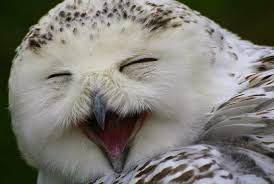
Why is it that the thing we fear most is the thing we seem to encounter most often? If we are afraid of failure, constantly we are aware of the myriad of ways we could fail and our brains taking over telling us that, in fact, it's a foregone conclusion that we will. If we are afraid of public speaking, we consistently are presented with nightmares of opportunities where we have to share information in front of others. If we are afraid of death it seems as if we can think of different ways of dying in even the most mundane and trivial aspects of life.
Which is why, the fifth and last way to Actively Impress Your Spouse is:
#5. Recognize the Present
Luke 12:22-24, 26 Then Jesus said to his disciples, "Therefore I tell you, do not worry about your life, what you will eat; or about your body, what you will wear. For life is more than food, and the body more than clothes... Who of you by worrying can add a single hour to your life? Since you cannot do this very little thing, why do you worry about the rest?"
Why do we worry about the future? How does it help? Can the future hurt us at all? One of the things that I've actively been trying to do with Christine is to plan for the future, but absolutely enjoy the present. It does us no good if our barns are overflowing with stored up treasures, things that we have been hoarding our whole life long not just for that rainy day but moreso for that murky twenty-four hours in the future, and we are unable (or unhealthy enough) to actually enjoy the fruits and vegetables of our labor.
When we recognize the present, which means enjoying all the people who are placed within the boundaries of our consciousness, we actually impress all others we encounter, not because we have it all together (far from the truth) but because we are coming together to enjoy the uncertainty of the future in the actuality of the present. We raise a toast to the things that we cannot control, bless them for taking their best shot at us, and drink deeply of the vintage wine given to us right now.
Right now.
I am actively trying to impress my wife by not allowing the little things to get at me and, for crying out loud, to take her out for a bite to eat, a movie with the kids, a Bible study or even a walk into the sunset to watch all of God's creation come together for a moment so that we can savor it.
Recognizing the present allows us to give glory to God for his timing and his testing because it is in this present moment we recognize that all good things are added to us (not just physical things, the food and the clothing, but the spiritual gifts of peace, patience, kindness, etc...) when we live right here and right now.
I saw that in the way that Robert and Judith were engaging and enjoying their grandchildren and the way that (through some visits to Facebook) some people are actively engaging in the now, that an impressive world revolution can occur. If we just live in the now. No brain science. No new ideas. Just reality.
That's one of the hardest, but least financially unsettling, things we can do to actively impress the ones we are promised to for eternity.
So, to recap:
1. Don't forget her birthday
2. Save your child's life
3. Start the fire
4. Pay attention
5. Recognize the Present
Enjoy.
It might not be intentional (maybe), but it feels as if he is a witting accomplice to my demise. As I told him how I was going to start this missive, he started to laugh, not like one of those evil characters from a Marvel Comics movie, but more like a possessed owl crossed with Roscoe Pecoe Train from the Dukes of Hazzard.
In order to pass the time before and after the Mets baseball game, I asked Robert what I could do around the yard. Since they have an acre of land, the first task I was given was to do the whipper snippering (in the U. S. it would be called 'Weed Whacking.') After accomplishing that task, I put down a mental note of things that needed to be done and then we moved in for the inevitable coming of the Hobbit-like Second Breakfast called 'Morning Tea' which, well documented, consists not only of a steaming brew but also a veritable cornucopia of mixed fruits and biscuits which one consumes with great (pun-intended) relish but without any thought to how many calories are being ingested just two short hours after the first meal of the day when we broke the long fast of the nighttime.
After watching the Mets lose the only game that they probably will lose this year, I frustratedly checked my mental notes of how to deal with my disappointment and I decided that I would take apart Robert and Judith's doghouse and put the dismantled pieces on the firepile. As I moved about in a workmanlike way, whistling various tunes with Dwarflike working singlemindedness, I noticed that Robert and Judith were playing marbles with their grandchildren. Robert was still cackling away like Woodsey the Owl and Judith was continuing to find a way to defeat her grandchildren in that passive/aggressive way that only grandmothers can do and you still love them afterwards for it. "Oh," they will say, "I so much wanted all you grandchildren to win," pinches their cheeks, "But I just can't control the dice. It must have been a fluke." She'll grin cheekily at you, oh yes she will, and inwardly she's already thinking about how to rub in the next loss. Salt in the wounds, my friends, but grandmothers make it feel like sugar.
After gathering the appropriate tools (Robert has every conceivable tool known to man), I packed them into the back yard. Let's just say I am not really a demolitions expert and the only tool I would have really needed was a sledgehammer, but I had some time that I wanted to pass in semi-quiet destruction. Underneath the greenery in the backyard was the doghouse, a typical canine shelter with tin roof to keep the rain out. After taking apart piece after piece, I brought around the wheelbarrow and placed the dismantled pieces in the cart. Knowing my history with arachnids at the Smyth household, I was very careful about where I put my fingers and certainly where I placed my toes. Lots of ants, lots of mold. I was thankful that all the spiders had decided to move out of the shelter a long, long time ago.
Then, I pulled the entire mess to the burning pile and carefully, one at a time, threw broken board after board on the pile. Once that was finished, I went back and told Robert that I was done. He looked up at me through his glasses, "Oh, good, finished? What did you do with the bricks?"
"Bricks?" I responded. "You want me to move those, too?"
He nodded (a veritable Hedwig) already back into his marbles games gleefully knocking his grandchildren off their marbled perches with great glee.
Back to the mine, I guess. I pulled the wheelbarrow back and as I looked down at the bricks, it felt as if I was looking into the Valley of the Shadow of Death again. From the beginning of this journey, now to its conclusion, I had been fearing evil, but here were these bricks with anywhere from three to eight holes in them. Each one of these holes could safely carry any number of deadly invertebrates, and as I pondered this thought, I heard Robert in the background of my mind (well, I imagined him in the background cackling and laughing at my indecision and fear) and I decided that this was my moment to stop thinking that there is going to be something deadly in every nook and cranny of life in Australia. NO MORE FEAR! I shout to myself. THERE IS NO NEED TO THINK THAT AUSTRALIAN SPIDERS WANT A PIECE OF ME ANY MORE THAN I WANT A PIECE OF THEM. I felt like I was giving myself a pep talk before a marathon. All in all, there were about twenty-five bricks, each just wide enough to grab across my palm.
You can do this.
My whistle was trembling; I hoped it sounded like a tremolo. One by one I attempted to look into the dark chasm of hell in each one of those holes not knowing whether to hope that there was a spider in there that I could see or be afraid that there wasn't a spider in there that I could see. That's what fear does, doesn't it? It doesn't allow us to think rationally about which would actually be better for us.
Thankfully, I got all the bricks into the wheelbarrow with no arachnacidic incident, no Elvis impersonations or anything, but as I opened the back fence to place the bricks behind the shed the cart tipped over. At this point I was sweating and thinking that I'd made it through this difficulty but now I had to pick them up two more times. The first cart load was fine, but on the second one, I found something that I had overlooked: On the ground was one more brick which, on closer inspection, had a large, white mass...
And on top of it was Shelob, the beast. More hair than Elvis - kind of looked like Donald Trump, if you ask me; reddish mane fluttering in the wind maybe - Ivanka Trump is a better way of looking at this young lady. And then my brain got going (as brains do when encountering their greatest fears) I had just put my entire palm over that spider. Did I feel her tentacle testing the sweat from my hand? Had she, indeed, actually played footsie with my fingers? Did Robert actually plant that spider knowing that he would be inside at THISVERYMOMENT!!! playing marbles with my daughter while I brushed the hair of eight-legged death with my comb of fear?
Coo Coo Coo. Roscoe Pecoe Train.
Why is it that the thing we fear most is the thing we seem to encounter most often? If we are afraid of failure, constantly we are aware of the myriad of ways we could fail and our brains taking over telling us that, in fact, it's a foregone conclusion that we will. If we are afraid of public speaking, we consistently are presented with nightmares of opportunities where we have to share information in front of others. If we are afraid of death it seems as if we can think of different ways of dying in even the most mundane and trivial aspects of life.
Which is why, the fifth and last way to Actively Impress Your Spouse is:
#5. Recognize the Present
Luke 12:22-24, 26 Then Jesus said to his disciples, "Therefore I tell you, do not worry about your life, what you will eat; or about your body, what you will wear. For life is more than food, and the body more than clothes... Who of you by worrying can add a single hour to your life? Since you cannot do this very little thing, why do you worry about the rest?"
Why do we worry about the future? How does it help? Can the future hurt us at all? One of the things that I've actively been trying to do with Christine is to plan for the future, but absolutely enjoy the present. It does us no good if our barns are overflowing with stored up treasures, things that we have been hoarding our whole life long not just for that rainy day but moreso for that murky twenty-four hours in the future, and we are unable (or unhealthy enough) to actually enjoy the fruits and vegetables of our labor.
When we recognize the present, which means enjoying all the people who are placed within the boundaries of our consciousness, we actually impress all others we encounter, not because we have it all together (far from the truth) but because we are coming together to enjoy the uncertainty of the future in the actuality of the present. We raise a toast to the things that we cannot control, bless them for taking their best shot at us, and drink deeply of the vintage wine given to us right now.
Right now.
I am actively trying to impress my wife by not allowing the little things to get at me and, for crying out loud, to take her out for a bite to eat, a movie with the kids, a Bible study or even a walk into the sunset to watch all of God's creation come together for a moment so that we can savor it.
Recognizing the present allows us to give glory to God for his timing and his testing because it is in this present moment we recognize that all good things are added to us (not just physical things, the food and the clothing, but the spiritual gifts of peace, patience, kindness, etc...) when we live right here and right now.
I saw that in the way that Robert and Judith were engaging and enjoying their grandchildren and the way that (through some visits to Facebook) some people are actively engaging in the now, that an impressive world revolution can occur. If we just live in the now. No brain science. No new ideas. Just reality.
That's one of the hardest, but least financially unsettling, things we can do to actively impress the ones we are promised to for eternity.
So, to recap:
1. Don't forget her birthday
2. Save your child's life
3. Start the fire
4. Pay attention
5. Recognize the Present
Enjoy.
Friday, April 1, 2016
An Attempt to Impress: Episode IV - the Final Countdown
There are quite a few songs that when the first notes are played, you immediately know what the song is, especially if you have them on shuffle on your iPod. It wasn't that long ago that we were rewinding cassette tapes with our fingers, or fast forwarding to just the spot, stopping and starting so you can sing the first few notes of the song.
Here are a few that I can think of that you know within the first few seconds (admittedly, I know very little about any music that has been produced in the last fifteen years - my musical snobbery turns up a nose at digital manipulation and gaggingly simplistic lyrics; sorry about this)
1. Stand By Me. (I know, you've already got the bass and the triangle in your head)
2. Ice, Ice Baby - alternatively, and a much better song Pressure.
3. We Will Rock You
4. Sweet Dreams
5. Smells Like Teen Spirit
and 6, of course:
The Final Countdown. Duh duh duh, duh; da da dat dat duh,... Need I keep going?
I looked on a webpage called '23 One Hit Wonders You Can't Get Out of your Head. I need help.
Point number four of Five Ways to Actively Impress Your Spouse are: (drum roll and final countdown - duh duh duh, duh)
4. Pay Attention
This sounds so easy, and it probably is for one guy on the planet - to just pay attention to the things that your spouse likes, and even more so, what she doesn't like. But let's face it, as I ponder the gifts that God has given me and my ability to open them and use them, paying attention to detail ranks right up there with being able to style my daughters' hair. Oh, I can do it, but it's very, very hard for me and it doesn't always turn out well.
Paying attention is the one thing in life that really doesn't cost anything. You want a car - pay money; you want your lawn mowed, get your child to do it and pretend that seven dollars and twenty-five cents per hour is the going wage in some countries. But attention, you don't give up anything except a little time and brainspace.
My excuse is that I have low visual acuity - i.e. I just don't see stuff very well. Usually, I blame it on the fact that I was in the incubator during my first week of life and it must have 'seared' my eyeballs so I don't see stuff. I know that's not really true, but it sounds impressive. Kind of like the fact that my head looks like a shark fin because when I was born, I didn't have a soft spot (in my skull). The doctors had to take two strips of bone from the crown so that the bones would grow together naturally, but in doing so, I've got a low, jagged mountain range for a scalp. Sometimes I tell people, when they look at my head for too long, that I was a conjoined twin with my brother. I even tell them we shared a brain, had to separate us, you know. I love it when they look concerned and say, "Oh really? I didn't know they could do that."
So I don't see stuff well, but yesterday I patted myself on the back for something I hadn't noticed before. I was opening the freezer door to grab some kind of frozen treat, when I looked at the door itself and it has a chart of how long foods can stay in the freezer. I'm sure that most of you know that it's there, but my eyes were drawn to the chart and I was fascinated to see (for the first time even though I've been opening that door for five years) that there were pictures of corpses of chickens (which can keep for 0-12 months) a very dead looking fish (under three months is best) some nice steaks which can last a little longer...

But then, right smack dab in the middle of the chart is a very happy looking Easter Bunny-ish rabbit, all smiley and happy, big fluffy ears which seems delighted that it's meat can stay frozen for roughly half a year. Australia, what a country! Where you can shoot the Easter Bunny and then enjoy his gamey big legs in a yummy hasenpfeffer at Christmas time!
So now I consider myself a pretty observant and attentive person - all because of a freezer chart.
I am able to pay attention to Christine and I've learned to be much better over the years. I already know the non-verbal cues that seem to speak many more words than the ones that are issuing from her lungs. For instance, if she asks me a question like, "Do you think we should book the car in for a service next week?" and she has a hand on her hip and calendar in her hand, what question she's really asking is, "Can you give me an approximate day when you'll be booking the car in for a service and when I can put that date in my calendar?" When it's nine thirty at night and the washing machine has just made its happy little beeping noises telling us its ready to regurgitate the clothes we put in there an hour and fourteen minutes earlier, and both of us are already snug in bed and reading our books, I know that deep sigh, long and slow, and the exasperated moan of tossing back the bed sheet - that means, "It's time for you to get out of bed and hang up the laundry." See how good at this I am?
I also know that she is incredible at so many different things and her ability to pay attention to multiple different things at once, the finances, the children, the school, the price of gas, how many moons Saturn has, and carry on a conversation about all of them at once in consecutive sentences is mind-boggling. I don't know how she can juggle all these things in her head and keep them active. The icons on her brain screen must be lit up all the time and her home screen must be littered with notes and saved items. Mine has probably four things: food, kids, work, where is my hat?
But what I've noticed lately is that I'm paying attention much more to the kind of time we have together. I know that she doesn't want 'things' for her birthday, and for me to get her jewelry, or perfume, or (God forbid) clothes, would be akin to the average Joe buying a blender for a Silver Anniversary.
Because I have come to know that Christine loves words and music, I write things to, and songs for, her. They are permanent. My attentiveness has led to some great times of talking and her responsiveness, leads me to want to continue. As we sat under the stars by the fire on that night at Ravensbourne, it continued to be ever more apparent that my spouse is not motivated by stuff but by attention and interaction. I recognize that she would rather walk hand in hand along side a snake/leech/spider infested road than receive a fancily wrapped box of perfume. That's just us - not every woman is like that, put I'm always learning to spend my attention on her.
I think all spouses can pay more attention to the little things that make us tick, not just the big ticket items, the cruises, the destinations, the cars and all that goes with financial stability (or instability). If we could just think for a few minutes about the things that we miss with our eyes and focus on what the other person needs and wants, my how life would change.
Here are a few that I can think of that you know within the first few seconds (admittedly, I know very little about any music that has been produced in the last fifteen years - my musical snobbery turns up a nose at digital manipulation and gaggingly simplistic lyrics; sorry about this)
1. Stand By Me. (I know, you've already got the bass and the triangle in your head)
2. Ice, Ice Baby - alternatively, and a much better song Pressure.
3. We Will Rock You
4. Sweet Dreams
5. Smells Like Teen Spirit
and 6, of course:
The Final Countdown. Duh duh duh, duh; da da dat dat duh,... Need I keep going?
I looked on a webpage called '23 One Hit Wonders You Can't Get Out of your Head. I need help.
Point number four of Five Ways to Actively Impress Your Spouse are: (drum roll and final countdown - duh duh duh, duh)
4. Pay Attention
This sounds so easy, and it probably is for one guy on the planet - to just pay attention to the things that your spouse likes, and even more so, what she doesn't like. But let's face it, as I ponder the gifts that God has given me and my ability to open them and use them, paying attention to detail ranks right up there with being able to style my daughters' hair. Oh, I can do it, but it's very, very hard for me and it doesn't always turn out well.
Paying attention is the one thing in life that really doesn't cost anything. You want a car - pay money; you want your lawn mowed, get your child to do it and pretend that seven dollars and twenty-five cents per hour is the going wage in some countries. But attention, you don't give up anything except a little time and brainspace.
My excuse is that I have low visual acuity - i.e. I just don't see stuff very well. Usually, I blame it on the fact that I was in the incubator during my first week of life and it must have 'seared' my eyeballs so I don't see stuff. I know that's not really true, but it sounds impressive. Kind of like the fact that my head looks like a shark fin because when I was born, I didn't have a soft spot (in my skull). The doctors had to take two strips of bone from the crown so that the bones would grow together naturally, but in doing so, I've got a low, jagged mountain range for a scalp. Sometimes I tell people, when they look at my head for too long, that I was a conjoined twin with my brother. I even tell them we shared a brain, had to separate us, you know. I love it when they look concerned and say, "Oh really? I didn't know they could do that."
So I don't see stuff well, but yesterday I patted myself on the back for something I hadn't noticed before. I was opening the freezer door to grab some kind of frozen treat, when I looked at the door itself and it has a chart of how long foods can stay in the freezer. I'm sure that most of you know that it's there, but my eyes were drawn to the chart and I was fascinated to see (for the first time even though I've been opening that door for five years) that there were pictures of corpses of chickens (which can keep for 0-12 months) a very dead looking fish (under three months is best) some nice steaks which can last a little longer...
But then, right smack dab in the middle of the chart is a very happy looking Easter Bunny-ish rabbit, all smiley and happy, big fluffy ears which seems delighted that it's meat can stay frozen for roughly half a year. Australia, what a country! Where you can shoot the Easter Bunny and then enjoy his gamey big legs in a yummy hasenpfeffer at Christmas time!
So now I consider myself a pretty observant and attentive person - all because of a freezer chart.
I am able to pay attention to Christine and I've learned to be much better over the years. I already know the non-verbal cues that seem to speak many more words than the ones that are issuing from her lungs. For instance, if she asks me a question like, "Do you think we should book the car in for a service next week?" and she has a hand on her hip and calendar in her hand, what question she's really asking is, "Can you give me an approximate day when you'll be booking the car in for a service and when I can put that date in my calendar?" When it's nine thirty at night and the washing machine has just made its happy little beeping noises telling us its ready to regurgitate the clothes we put in there an hour and fourteen minutes earlier, and both of us are already snug in bed and reading our books, I know that deep sigh, long and slow, and the exasperated moan of tossing back the bed sheet - that means, "It's time for you to get out of bed and hang up the laundry." See how good at this I am?
I also know that she is incredible at so many different things and her ability to pay attention to multiple different things at once, the finances, the children, the school, the price of gas, how many moons Saturn has, and carry on a conversation about all of them at once in consecutive sentences is mind-boggling. I don't know how she can juggle all these things in her head and keep them active. The icons on her brain screen must be lit up all the time and her home screen must be littered with notes and saved items. Mine has probably four things: food, kids, work, where is my hat?
But what I've noticed lately is that I'm paying attention much more to the kind of time we have together. I know that she doesn't want 'things' for her birthday, and for me to get her jewelry, or perfume, or (God forbid) clothes, would be akin to the average Joe buying a blender for a Silver Anniversary.
Because I have come to know that Christine loves words and music, I write things to, and songs for, her. They are permanent. My attentiveness has led to some great times of talking and her responsiveness, leads me to want to continue. As we sat under the stars by the fire on that night at Ravensbourne, it continued to be ever more apparent that my spouse is not motivated by stuff but by attention and interaction. I recognize that she would rather walk hand in hand along side a snake/leech/spider infested road than receive a fancily wrapped box of perfume. That's just us - not every woman is like that, put I'm always learning to spend my attention on her.
I think all spouses can pay more attention to the little things that make us tick, not just the big ticket items, the cruises, the destinations, the cars and all that goes with financial stability (or instability). If we could just think for a few minutes about the things that we miss with our eyes and focus on what the other person needs and wants, my how life would change.
Thursday, March 31, 2016
An Attempt to Impress: Episode III - The Fire Strikes Back
Certain movies have 'Man Scenes.'
I'm not talking about Jason Bourne bringing down the entire German embassy with a backpack and a Bic lighter, nor am I going the other direction with Austin Power's ability to manipulate Fembots with his hairy chest.
I'm talking about 'Man Scenes' which are so manly it should be made into one word: Manscenes. A description: In a world where the only way a man looks 'manly' is if he is able to annihilate an enemy nation with a gun and one clip of ammo, or if he has superhero powers and glistening, shaved muscles, or if he is able to somehow sleep his way (not really sleeping) through the forest of women who only need to be his object - I choose to be like Tom Hanks.
Castaway - setting the manscene. Tom has been involved in a plane crash over the Pacific Ocean and somehow he survives the plunge into the ocean, the storm, dehydration and all things stereotypical of Island Survivor stories, he makes his way onto the beach of a deserted island where, after a few days of figuring out how to scrounge together food and water, he eventually decides it's time to make fire. Dressed in a beautiful wool sweater and long pants, Tom talks to his only friend - a volleyball named Wilson - about the difficulties of actually starting a fire with sticks of wood.
Probably most of us have tried this at one point, starting fire with sticks (not talking to a volleyball). Friction is a terrific force; it starts heat and begins fires. There is a trick to it, obviously, which eventually Tom figures out and after the first tendrils of smoke lift from the frictioned wood, and the first fire starts the coconut husk alight, we are left in utter joy with Tom's elation. Carrying his treasure to the beach like a modern day Prometheus (without Zeus' irritation and subsequent punishment of perpetual liver eating by vultures) Tom enflames the small fire into a raging inferno. He sheds his shirt (which all men like to do, I think, even if they don't have hairless, glistening muscles) and dances around the fire beating his chest and proclaiming to his own version of Zeus...
I... Have made... FIRE!
3. Start the Fire.
The third of the Five Ways to Actively Impress Your Spouse is to tap into your pyromaniacal heritage and start the fire.
When Christine and I first met, she was already adept at starting fires. I, on the other hand, was adept at watching fires. I liked to poke sticks in them, start the nubs on fire and write my name in the night air. Now that's impressive. But real men need to know how to start fires, how to keep them going, how to know how much friction is good and when it is too much and slows things down. Christine already knew how to start a campfire, and of course I did too, but it was much better for me to have one of those plastic lighter things and a whole bag of newspaper.
I started the fire on our second night at Ravensbourne. The owners of the cabin dutifully brought a rusted, vase-like brassiere and four pieces of wood. They encouraged the girls to go hunting for some more wood lying around, but after our trip into the Valley of the Shadow of Death the day before, I wasn't sending my girls into the woods for any reason. They'd probably be attacked by a python.
Included in the articles brought by were these little white cubes that you put at the bottom of the fire which supposedly help light it. I definitely wouldn't be needing those. Then, some matches which looked like they'd been lying in a drawer for a while. Hopefully they still worked. After receiving these campfire artifacts, the male half of the owners couple handed me a can of insect killer. I'd noticed the immense wasps nests near the back porch and above the carport. Knowing our luck with Australian invertebrates, these would be Tracker Jackers from the Hunger Games. Hello hallucinatory death stings.
He smiled. "Are you a fast runner?"
"What?" I had no idea what he was talking about.
"I don't think the spray is going to reach the nest, but give it a shot if you think you can outrun them."
Great. The owner of the cabin is asking me to be his exterminator. "I think I'll just leave them then?"
"Whatever you think," the older man said with smile as he warily watched the circling wasps above his head.
After bringing the campfire necessities to the back beyond the balcony, I set up shop and the girls when to gather some more wood (safely underneath trees in the gated community within visual of both Christine and I.) Settling into my chair, I put some twigs on the bottom and took out the matches. First strike. I broke the head off of a match. Taking another one out, I tried again but the same result occurred. Must be faulty matches, I thought. Third try I got the thing started but it quickly flamed out. Prometheus, where are you? Probably having his liver devoured.
Eventually, the match lit and I placed it on the twigs, but after a few moments, the match burned down to my finger tips. Blowing on my fingers and shaking them, somehow that's supposed to help, I muttered under my breath and looked at the package of small white cakes. Nope, I can do this. Real men can start a fire without it. If Tom can do it, so can I. Another broken match. Soon, I would be rubbing sticks together. I looked up to see if anyone was watching me from the balcony. Thankfully, no. So, I succumbed to the temptation and took two of the stupid, little white cakes and placed them on the bottom. Resentfully I looked at the matches that were abandoning me in my time of need and what do you know? First strike, the match held and I put it underneath the stupid, little white cake and it caught immediately. I waited for the stupid, little white cakes to burn down and then I put more wood on top (almost extinguishing it in the process). I raised my hands triumphantly.
I... Have made... FIRE!
"Christine, Hon, come look at the fire I've created!"
Christine stayed inside the apartment obviously more interested in whatever she was doing them being actively impressed by her husband. "Did you have to use the little white cake things?"
I swallowed. "Please, do you have to even ask that question?"
We had a great campfire that night. Our conversation was stoked by recollections of Christine's (or Mum's) great talents and memories. In the midst, I thought of even some of our moments of tension - or friction - that are good for any marriage. If there is no friction or if there is no heat built up, the fire tends to die down. Friction, when used correctly can be a very good thing for the fuels of a relationship, but too much friction only causes pain.
After our night of remembering, of singing old camp songs and new melodies from the Matthias five, it was time to get to bed. The girls took up the chairs and the campfire paraphernalia and I was in charge of extinguishing the fire. I suppose all guys do this, right? so after carefully looking around and up to the balcony, in the dark of the night I urinated on the fire thinking that somehow this would put it out.
As I played fireman, I hear from behind me, "Mum, Dad's peeing on the fire."
So impressive.
Tomorrow - last two Ways to Actively Impress Your Spouse.
I'm not talking about Jason Bourne bringing down the entire German embassy with a backpack and a Bic lighter, nor am I going the other direction with Austin Power's ability to manipulate Fembots with his hairy chest.
I'm talking about 'Man Scenes' which are so manly it should be made into one word: Manscenes. A description: In a world where the only way a man looks 'manly' is if he is able to annihilate an enemy nation with a gun and one clip of ammo, or if he has superhero powers and glistening, shaved muscles, or if he is able to somehow sleep his way (not really sleeping) through the forest of women who only need to be his object - I choose to be like Tom Hanks.
Castaway - setting the manscene. Tom has been involved in a plane crash over the Pacific Ocean and somehow he survives the plunge into the ocean, the storm, dehydration and all things stereotypical of Island Survivor stories, he makes his way onto the beach of a deserted island where, after a few days of figuring out how to scrounge together food and water, he eventually decides it's time to make fire. Dressed in a beautiful wool sweater and long pants, Tom talks to his only friend - a volleyball named Wilson - about the difficulties of actually starting a fire with sticks of wood.
Probably most of us have tried this at one point, starting fire with sticks (not talking to a volleyball). Friction is a terrific force; it starts heat and begins fires. There is a trick to it, obviously, which eventually Tom figures out and after the first tendrils of smoke lift from the frictioned wood, and the first fire starts the coconut husk alight, we are left in utter joy with Tom's elation. Carrying his treasure to the beach like a modern day Prometheus (without Zeus' irritation and subsequent punishment of perpetual liver eating by vultures) Tom enflames the small fire into a raging inferno. He sheds his shirt (which all men like to do, I think, even if they don't have hairless, glistening muscles) and dances around the fire beating his chest and proclaiming to his own version of Zeus...
I... Have made... FIRE!
3. Start the Fire.
The third of the Five Ways to Actively Impress Your Spouse is to tap into your pyromaniacal heritage and start the fire.
When Christine and I first met, she was already adept at starting fires. I, on the other hand, was adept at watching fires. I liked to poke sticks in them, start the nubs on fire and write my name in the night air. Now that's impressive. But real men need to know how to start fires, how to keep them going, how to know how much friction is good and when it is too much and slows things down. Christine already knew how to start a campfire, and of course I did too, but it was much better for me to have one of those plastic lighter things and a whole bag of newspaper.
I started the fire on our second night at Ravensbourne. The owners of the cabin dutifully brought a rusted, vase-like brassiere and four pieces of wood. They encouraged the girls to go hunting for some more wood lying around, but after our trip into the Valley of the Shadow of Death the day before, I wasn't sending my girls into the woods for any reason. They'd probably be attacked by a python.
Included in the articles brought by were these little white cubes that you put at the bottom of the fire which supposedly help light it. I definitely wouldn't be needing those. Then, some matches which looked like they'd been lying in a drawer for a while. Hopefully they still worked. After receiving these campfire artifacts, the male half of the owners couple handed me a can of insect killer. I'd noticed the immense wasps nests near the back porch and above the carport. Knowing our luck with Australian invertebrates, these would be Tracker Jackers from the Hunger Games. Hello hallucinatory death stings.
He smiled. "Are you a fast runner?"
"What?" I had no idea what he was talking about.
"I don't think the spray is going to reach the nest, but give it a shot if you think you can outrun them."
Great. The owner of the cabin is asking me to be his exterminator. "I think I'll just leave them then?"
"Whatever you think," the older man said with smile as he warily watched the circling wasps above his head.
After bringing the campfire necessities to the back beyond the balcony, I set up shop and the girls when to gather some more wood (safely underneath trees in the gated community within visual of both Christine and I.) Settling into my chair, I put some twigs on the bottom and took out the matches. First strike. I broke the head off of a match. Taking another one out, I tried again but the same result occurred. Must be faulty matches, I thought. Third try I got the thing started but it quickly flamed out. Prometheus, where are you? Probably having his liver devoured.
Eventually, the match lit and I placed it on the twigs, but after a few moments, the match burned down to my finger tips. Blowing on my fingers and shaking them, somehow that's supposed to help, I muttered under my breath and looked at the package of small white cakes. Nope, I can do this. Real men can start a fire without it. If Tom can do it, so can I. Another broken match. Soon, I would be rubbing sticks together. I looked up to see if anyone was watching me from the balcony. Thankfully, no. So, I succumbed to the temptation and took two of the stupid, little white cakes and placed them on the bottom. Resentfully I looked at the matches that were abandoning me in my time of need and what do you know? First strike, the match held and I put it underneath the stupid, little white cake and it caught immediately. I waited for the stupid, little white cakes to burn down and then I put more wood on top (almost extinguishing it in the process). I raised my hands triumphantly.
I... Have made... FIRE!
"Christine, Hon, come look at the fire I've created!"
Christine stayed inside the apartment obviously more interested in whatever she was doing them being actively impressed by her husband. "Did you have to use the little white cake things?"
I swallowed. "Please, do you have to even ask that question?"
We had a great campfire that night. Our conversation was stoked by recollections of Christine's (or Mum's) great talents and memories. In the midst, I thought of even some of our moments of tension - or friction - that are good for any marriage. If there is no friction or if there is no heat built up, the fire tends to die down. Friction, when used correctly can be a very good thing for the fuels of a relationship, but too much friction only causes pain.
After our night of remembering, of singing old camp songs and new melodies from the Matthias five, it was time to get to bed. The girls took up the chairs and the campfire paraphernalia and I was in charge of extinguishing the fire. I suppose all guys do this, right? so after carefully looking around and up to the balcony, in the dark of the night I urinated on the fire thinking that somehow this would put it out.
As I played fireman, I hear from behind me, "Mum, Dad's peeing on the fire."
So impressive.
Tomorrow - last two Ways to Actively Impress Your Spouse.
Wednesday, March 30, 2016
An Attempt to Impress - Episode 2
We continued walking along the damp, leaf covered path. Now that we all were infinitely aware of creepy crawlies, we continued to check our extremities after every couple of steps. The mind does strange things like that sometimes: you hear on the news that a violent criminal is loose - every sound that night wakes you from a shallow sleep even though you know the odds that a violent criminal stopping by the pastor's house at 2:00 in the morning are relatively low. These leeches, they weren't very big, quite small really in comparison with some that I have seen before, grew in our subliminal consciousness so that eventually, instead of taking in the beautiful sights and sounds, we were hurrying to the end destination missing many vistas along the way.
As we neared our final destination - the Sandstone Cliffs - (which turned out to be a few rock overhangs along the path) I noticed a woman sitting inside a relatively large cave along side the path. Wearing khaki shorts, a pink top and tennis shoes with small booty socks peering over the top, the woman had brought along on her hike a bulky newspaper to read. My first thought was, Have fun with the rhinoceros ants when they clean all the meat off your ankles because you've been sitting still - what an idiot. My second thought didn't occur to me until after we passed the 'Walls' and waded through knee high grass on a mini flattened grass pathway in an attempt to find these so-called Sandstone Cliffs (God knows what kind of creepy, crawly things lay in wait in the grass...). Finding a gravel road on the other side of the grass, I noticed movement to my right and a middle aged man - to me that's a fifty-something - strolling down towards us with binoculars around his neck.
Ornithologist. That explains the newspaper.
I think ornithologists - birdwatchers - have to be some of the most patient, and strange, people on the planet. Imagine walking along the path with an ornithologist, or worse yet standing still on a muddy track filled with spiders and leaches and ants, Oh My! with an ornithologist while he points to a tiny little black, blue and red sparrow seventy-five feet away. The ornithologist has not thought to bring binoculars for you, no sir, so you casually, patiently scan the dense canopy of forest for a speck of color for the tooth-billed bowerbird. Your ornithologist mate is dancing excitedly but you are much more interested in the ants which are crawling up his socks to shred his calves like piranhas.
We turned around because we ultimately recognized that the Sandstone Cliffs were indeed the little overhanging caves that the newspaper reading woman was sitting in. As we passed back through the gauntlet of grass (defying death again if you ask me), I noticed that the middle-aged ornithologist was following us. It was evident that he and she were together. Talk about a couple that knows each other. She knew exactly how long it was going to take for him either to spot the Atherton Scrubwren or the Victoria's Riflebird, probably just long enough to get through the top stories and into the editorials. On his return, he would have been content by his conquest, and she happy to have conquered the content of her newspaper. Hand in hand, side by side they would have backtracked along the Australian version of the Yellow Brick Road delighted by their silence and the noise of the birds, oblivious to any dangers that might pop their heads up along the way.
They had figured out how to overcome cracking boredom in their marriage (or so I postulated by my brief fourteen second visual in passing them.)
As we continued back towards the parking lot, a little brisker pace at this point thinking that somehow if we just walked faster the leeches wouldn't be able to attach to our shoes, Josephine made a noise quite similar to the small little yelp that I let escape in what was now known as the Elvis Incident. "It scared me," she said pointing to the brush just to the side of the road.
"What was it?" Christine asked.
"A snake," Josephine responded with fingers curled up in front of her lips. I wouldn't have put my fingers anywhere near my lips. Who knows what kind of deadly bacteria is floating in the Australian air waiting to cling to my fingernails?
Silently I rolled my eyes and looked up to heaven. What? Can't we just walk out of the Valley of the Shadow of Death? Do you really need to prepare a table in front of our enemies?
Christine moved closer to Josephine. I hung back. "What color was it?" Christine's question. My question: Was it big enough to swallow you?
"I think it was a green tree snake. Look," she pointed to a nearby vine, "there it is."
Whew. Harmless unless you're a mouse. "Yes, it definitely looks like a green tree snake."
Let's just clear one thing up now. As creative as Australians are about naming their birds, they are equally uncreative about naming their deadly reptiles. For instance - the second most deadly snake in the world is the 'Brown Snake.' Does that sound like an animal whose poison can kill you in an hour? A brown snake? Why not call it 'Slithering Death?' The Red-Bellied Black snake? You guessed it: it's got a red belly on its black body. Pretty tame name for a snake that can take you out with one bite. Dark Assassin would be better. Inland Taipan? Deadliest snake in the world? Sounds like southeast Asian restaurant if you asked me. The Inland Taipan doesn't bite you once, but like a machine gun it nails you multiple times per second injecting the strongest snake venom in the world. My name for them? Venomous Death Stick. After doing some research on the VDS it was interesting to note that the authors of listverse.com say that one bite from a VDS can kill 12,000 guinea pigs. How they did that research, I don't know. Did they line up fifteen thousand guinea pigs and at 11,999 they thought to themselves, "Is this ever going to stop?" Another interesting, horrifying tidbit about the VDS is that before the antivenom was created, the receiver was assured of death within one hour of the bite. No survival. Yippee. Anyway, the only good and decent name for one of Australia's venomous reptiles is the Death Adder. Fitting.
Just a green tree snake. Ha ha. Everyone's having a good time. Now we started to walk even faster. What could possibly be around the corner? A Koala with a death wish?
As we hurried back up the path, upwards out of the Shadowy Death Valley, Josephine came running back to us. "Another snake. It's by Greta."
This time, Josephine looked worried and as Christine and I hurried up the Yellow Brick Road, sure enough standing up about two feet from Greta's leg was a thoroughly unconvincing small snake which looked like it was enjoying a lovely little stroll in the woods. Elsa, Josephine and I stepped back from it while Greta remained poised one leg almost in the air, one on the ground. Unsure of whether she should attempt to sprint or just stay still, Greta was caught in herpetical purgatory. No one really knows what the suggested practice is, but usually one's first instinct is to run. Somehow, she remained calm in the presence of that little...
Brown Snake.
My first instinct was to take a picture. Ashamed, I am. Someday later in life she would have enjoyed seeing that moment of defying death, the happy little snake smiling broadly at her indecision. My second instinct was to pick up a big stick and whack the Slithering Death to, um, death. "Don't move," Christine said. Obviously, being a native Australian she had had multiple opportunities of studying this in school. I'm sure one of their classes surely was "Herpetology 101 - What to do when (not if) a deadly snake tries to eat you."
If I was Greta, I'd have already moved. Greta lost her balance briefly and her suspended foot jiggled which caused the snake to flinch. Now the thing was looking serious. No more Mr. Nice Snake. Come on, Christine, I thought to myself. Just let her get out of there.
"All right, Greta," Christine said calmly, "What you're going to do is, on the count of three, jump and run forward up the road. You got it?" Greta's adrenaline filled eyes were already filling with tears.
"One..." The snake perked up its head. Maybe its mother used the same technique with him when it was littler and misbehaving.
"Two..." I was mouthing the words with her.
"THREE!" I think Greta could have dunked a basketball. As she scurried up the path, the little brown snake looked around perplexedly as if to say, 'What just happened?' It didn't move. Honestly, it seemed like it was questioning why we weren't all just moving passed his sleeping spot. Now I had my stick ready and prepared. Multiple different scenarios had already traversed my brain patterns. In one, the snake had attacked Christine and I had, because of my lightning fast reflexes, swung the stick like a baseball bat and knocked the head off the snake. In another one, I had placed the end of the stick on the snake's head and after grasping the slithering serpent in my hand, I bit its head off. Real life was much different, though. Christine made these 'shooing' motions with her hands and feet which did very little to deter the snake from its perch. It was my turn to save the day.
With the stick, I flicked dirt into the snake's face from a delightfully safe distance. But in my own mind, I had not only saved the life of my wife, but also my children and, pretty much anyone else who was wandering on the Yellow Brick Road. They could all congratulate me later with a tickertape parade.
Christine rushed past the place where the snake had been and embraced our crying almost teenage daughter. The only thing I could think of now was that scene in Raiders of the Lost Ark when Indiana Jones has to make his way through the walls of the tomb and there are snakes crawling out of everything. All he has is a burnt out torch and a whip.
I had a stick.
"All right," I announced. "Let's go everyone." With that, we started running for the car. We still had almost half a mile to go yet, uphill at that, but we were sprinting as if the Sauron, the Dark Lord, was chasing us with the Eye. I led the way and because my mind was working in overdrive, every freaking stick seemed to be one of the world's deadliest snakes waiting to take a bite out of us. The only good thing was that I had stopped thinking about spiders, leeches and ants Oh My!
About two hundred meters from the parking lot, just as we were ready to reenter the Promised Land, another tourist came walking down the path. He was of Asian descent, alone and, get this, wearing thongs, shorts and a tank top. I was in a hurry but silently I prayed for his family that they would have a good and decent funeral for this young, foolish tourist. Would they find the remnants of his fang punctured body, sucked dry by leeches, covered by fearsome spiders and stripped of epidermis by skin eating rhinoceros ants? Christine actually stopped to talk to him - what a thoughtful woman - I just wanted to get out of there with most of my body and soul intact.
Needless to say, when we reached the top, we dropped to our knees. Not to thank God, but to take our shoes off and check for leeches. Oh, we thanked God also, and I apologized to him for thinking of him secondly, but enough was enough. After the leech search, we looked at each other, thankful to be alive and whole, but I was proud of myself that I had saved the entire family by walking up the path first - with the stick. 2. Saved child's life.
Check.
As we neared our final destination - the Sandstone Cliffs - (which turned out to be a few rock overhangs along the path) I noticed a woman sitting inside a relatively large cave along side the path. Wearing khaki shorts, a pink top and tennis shoes with small booty socks peering over the top, the woman had brought along on her hike a bulky newspaper to read. My first thought was, Have fun with the rhinoceros ants when they clean all the meat off your ankles because you've been sitting still - what an idiot. My second thought didn't occur to me until after we passed the 'Walls' and waded through knee high grass on a mini flattened grass pathway in an attempt to find these so-called Sandstone Cliffs (God knows what kind of creepy, crawly things lay in wait in the grass...). Finding a gravel road on the other side of the grass, I noticed movement to my right and a middle aged man - to me that's a fifty-something - strolling down towards us with binoculars around his neck.
Ornithologist. That explains the newspaper.
I think ornithologists - birdwatchers - have to be some of the most patient, and strange, people on the planet. Imagine walking along the path with an ornithologist, or worse yet standing still on a muddy track filled with spiders and leaches and ants, Oh My! with an ornithologist while he points to a tiny little black, blue and red sparrow seventy-five feet away. The ornithologist has not thought to bring binoculars for you, no sir, so you casually, patiently scan the dense canopy of forest for a speck of color for the tooth-billed bowerbird. Your ornithologist mate is dancing excitedly but you are much more interested in the ants which are crawling up his socks to shred his calves like piranhas.
We turned around because we ultimately recognized that the Sandstone Cliffs were indeed the little overhanging caves that the newspaper reading woman was sitting in. As we passed back through the gauntlet of grass (defying death again if you ask me), I noticed that the middle-aged ornithologist was following us. It was evident that he and she were together. Talk about a couple that knows each other. She knew exactly how long it was going to take for him either to spot the Atherton Scrubwren or the Victoria's Riflebird, probably just long enough to get through the top stories and into the editorials. On his return, he would have been content by his conquest, and she happy to have conquered the content of her newspaper. Hand in hand, side by side they would have backtracked along the Australian version of the Yellow Brick Road delighted by their silence and the noise of the birds, oblivious to any dangers that might pop their heads up along the way.
They had figured out how to overcome cracking boredom in their marriage (or so I postulated by my brief fourteen second visual in passing them.)
As we continued back towards the parking lot, a little brisker pace at this point thinking that somehow if we just walked faster the leeches wouldn't be able to attach to our shoes, Josephine made a noise quite similar to the small little yelp that I let escape in what was now known as the Elvis Incident. "It scared me," she said pointing to the brush just to the side of the road.
"What was it?" Christine asked.
"A snake," Josephine responded with fingers curled up in front of her lips. I wouldn't have put my fingers anywhere near my lips. Who knows what kind of deadly bacteria is floating in the Australian air waiting to cling to my fingernails?
Silently I rolled my eyes and looked up to heaven. What? Can't we just walk out of the Valley of the Shadow of Death? Do you really need to prepare a table in front of our enemies?
Christine moved closer to Josephine. I hung back. "What color was it?" Christine's question. My question: Was it big enough to swallow you?
"I think it was a green tree snake. Look," she pointed to a nearby vine, "there it is."
Whew. Harmless unless you're a mouse. "Yes, it definitely looks like a green tree snake."
Let's just clear one thing up now. As creative as Australians are about naming their birds, they are equally uncreative about naming their deadly reptiles. For instance - the second most deadly snake in the world is the 'Brown Snake.' Does that sound like an animal whose poison can kill you in an hour? A brown snake? Why not call it 'Slithering Death?' The Red-Bellied Black snake? You guessed it: it's got a red belly on its black body. Pretty tame name for a snake that can take you out with one bite. Dark Assassin would be better. Inland Taipan? Deadliest snake in the world? Sounds like southeast Asian restaurant if you asked me. The Inland Taipan doesn't bite you once, but like a machine gun it nails you multiple times per second injecting the strongest snake venom in the world. My name for them? Venomous Death Stick. After doing some research on the VDS it was interesting to note that the authors of listverse.com say that one bite from a VDS can kill 12,000 guinea pigs. How they did that research, I don't know. Did they line up fifteen thousand guinea pigs and at 11,999 they thought to themselves, "Is this ever going to stop?" Another interesting, horrifying tidbit about the VDS is that before the antivenom was created, the receiver was assured of death within one hour of the bite. No survival. Yippee. Anyway, the only good and decent name for one of Australia's venomous reptiles is the Death Adder. Fitting.
Just a green tree snake. Ha ha. Everyone's having a good time. Now we started to walk even faster. What could possibly be around the corner? A Koala with a death wish?
As we hurried back up the path, upwards out of the Shadowy Death Valley, Josephine came running back to us. "Another snake. It's by Greta."
This time, Josephine looked worried and as Christine and I hurried up the Yellow Brick Road, sure enough standing up about two feet from Greta's leg was a thoroughly unconvincing small snake which looked like it was enjoying a lovely little stroll in the woods. Elsa, Josephine and I stepped back from it while Greta remained poised one leg almost in the air, one on the ground. Unsure of whether she should attempt to sprint or just stay still, Greta was caught in herpetical purgatory. No one really knows what the suggested practice is, but usually one's first instinct is to run. Somehow, she remained calm in the presence of that little...
Brown Snake.
My first instinct was to take a picture. Ashamed, I am. Someday later in life she would have enjoyed seeing that moment of defying death, the happy little snake smiling broadly at her indecision. My second instinct was to pick up a big stick and whack the Slithering Death to, um, death. "Don't move," Christine said. Obviously, being a native Australian she had had multiple opportunities of studying this in school. I'm sure one of their classes surely was "Herpetology 101 - What to do when (not if) a deadly snake tries to eat you."
If I was Greta, I'd have already moved. Greta lost her balance briefly and her suspended foot jiggled which caused the snake to flinch. Now the thing was looking serious. No more Mr. Nice Snake. Come on, Christine, I thought to myself. Just let her get out of there.
"All right, Greta," Christine said calmly, "What you're going to do is, on the count of three, jump and run forward up the road. You got it?" Greta's adrenaline filled eyes were already filling with tears.
"One..." The snake perked up its head. Maybe its mother used the same technique with him when it was littler and misbehaving.
"Two..." I was mouthing the words with her.
"THREE!" I think Greta could have dunked a basketball. As she scurried up the path, the little brown snake looked around perplexedly as if to say, 'What just happened?' It didn't move. Honestly, it seemed like it was questioning why we weren't all just moving passed his sleeping spot. Now I had my stick ready and prepared. Multiple different scenarios had already traversed my brain patterns. In one, the snake had attacked Christine and I had, because of my lightning fast reflexes, swung the stick like a baseball bat and knocked the head off the snake. In another one, I had placed the end of the stick on the snake's head and after grasping the slithering serpent in my hand, I bit its head off. Real life was much different, though. Christine made these 'shooing' motions with her hands and feet which did very little to deter the snake from its perch. It was my turn to save the day.
With the stick, I flicked dirt into the snake's face from a delightfully safe distance. But in my own mind, I had not only saved the life of my wife, but also my children and, pretty much anyone else who was wandering on the Yellow Brick Road. They could all congratulate me later with a tickertape parade.
Christine rushed past the place where the snake had been and embraced our crying almost teenage daughter. The only thing I could think of now was that scene in Raiders of the Lost Ark when Indiana Jones has to make his way through the walls of the tomb and there are snakes crawling out of everything. All he has is a burnt out torch and a whip.
I had a stick.
"All right," I announced. "Let's go everyone." With that, we started running for the car. We still had almost half a mile to go yet, uphill at that, but we were sprinting as if the Sauron, the Dark Lord, was chasing us with the Eye. I led the way and because my mind was working in overdrive, every freaking stick seemed to be one of the world's deadliest snakes waiting to take a bite out of us. The only good thing was that I had stopped thinking about spiders, leeches and ants Oh My!
About two hundred meters from the parking lot, just as we were ready to reenter the Promised Land, another tourist came walking down the path. He was of Asian descent, alone and, get this, wearing thongs, shorts and a tank top. I was in a hurry but silently I prayed for his family that they would have a good and decent funeral for this young, foolish tourist. Would they find the remnants of his fang punctured body, sucked dry by leeches, covered by fearsome spiders and stripped of epidermis by skin eating rhinoceros ants? Christine actually stopped to talk to him - what a thoughtful woman - I just wanted to get out of there with most of my body and soul intact.
Needless to say, when we reached the top, we dropped to our knees. Not to thank God, but to take our shoes off and check for leeches. Oh, we thanked God also, and I apologized to him for thinking of him secondly, but enough was enough. After the leech search, we looked at each other, thankful to be alive and whole, but I was proud of myself that I had saved the entire family by walking up the path first - with the stick. 2. Saved child's life.
Check.
Subscribe to:
Posts (Atom)